
579 South Rd, Regency Park SA 5010, Australia

+61268852898

Curious Minds, Tangled Threads: Stories That Make Knowledge Stick

Engage fully with: "Jump Rope Skills for Crossfit Performance and Coaching Excellence"

Welcome! If you’ve ever wondered how real-world skills actually take shape, you’re in the right place—Liralavo brings decades of hands-on educational know-how to the table. We believe learning should make sense outside the classroom, so you’ll find practical guides, stories from the field, and just a bit of honest advice from folks who’ve been there.
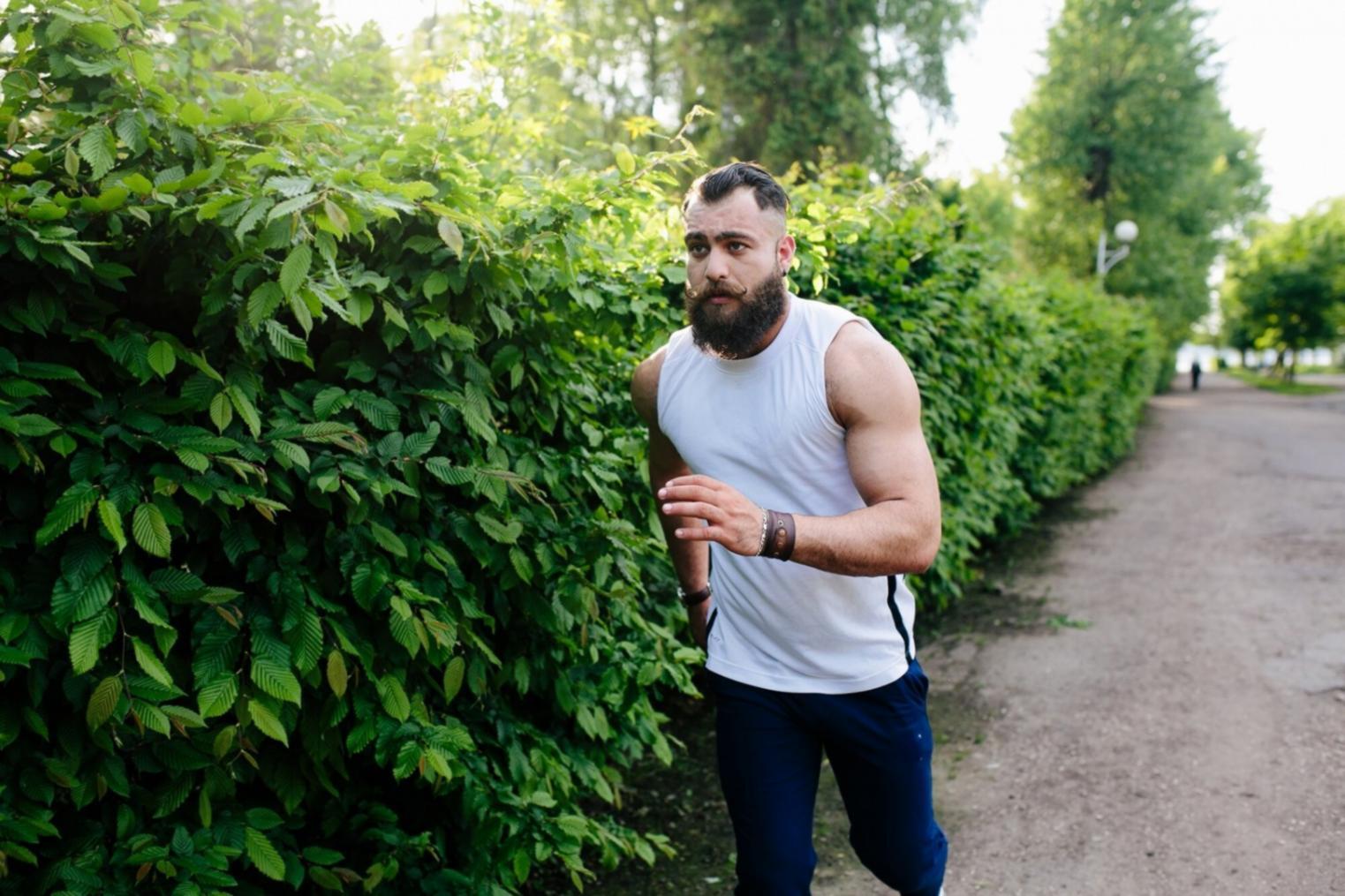

Swing Higher: Your Jump Rope Adventure Awaits

One of the problems with how jump rope is usually taught in CrossFit is that it gets boxed in as just another skill to check off—double unders, triple unders, speed, done. But what’s often missing is any real attention to how the movement lives inside a workout, or how it actually shapes your awareness, your pacing, even your confidence when everything else starts to unravel. I’ve seen so many athletes, even pretty advanced ones, treat the rope like an enemy—something to get through, not something to work with. That’s a shame, isn’t it? Because the rope, when you really understand it, isn’t just a test of coordination or endurance. It’s a tool for learning how to reset, how to find rhythm again when your lungs are screaming and your grip is shot. When someone actually develops this approach—when they start to see the rope as more than just a barrier or a rush job—they gain a kind of adaptability you can’t fake. Suddenly, there’s a deeper sense of composure in high-pressure situations. You start to notice things: how your breathing syncs with the rope, how a tiny shift in hand position makes everything smoother, how your attitude toward “failure” changes when you’re not obsessed with getting every rep perfect. I remember watching one athlete—she was a coach, actually—who, after really digging into this mindset, began using jump rope intervals not just to train, but to recalibrate emotionally. In between heavy lifts she’d pick up the rope, not to spike her heart rate, but to ground herself. That’s not something you see in most “standard” CrossFit programming, and it speaks to a bigger skill: learning how to use movement as a way to regulate your own state, not just as a means to an end. So what actually becomes possible? It’s not just about nailing a workout faster or impressing someone with unbroken sets. It’s about developing intuition under fatigue—a kind of split-second decision making where you can adapt your strategy without losing your cool. You start to move with more intention, less panic; you recover faster, physically and mentally, because you’re not burning energy fighting the rope or yourself. The rope, in this sense, becomes a mirror—showing you how you respond to pressure, to mistakes, to unexpected changes in the workout. That understanding, strangely enough, carries over everywhere else: in how you handle setbacks during team training, or how you approach an overwhelming workday. I guess what I’m getting at is that developing this skill changes how you face stress, not just in the gym but in those odd, daily moments when things go sideways. And that’s a transformation that sticks—one that, honestly, most people don’t expect when they first pick up the rope.

The first week is almost always awkward—ropes slap the floor, wrists tire too soon, and someone inevitably gets whipped on the shin. They'll start with singles, learning to keep their gaze level, shoulders soft. I remember watching a roomful of people counting jumps under their breath, lips moving as if in prayer. By the weekend, a few brave souls attempt double unders, that staccato rhythm where the rope has to pass twice for every jump, and most land with a thud. The coach might hand a student a heavier rope just to force their hands to slow down—odd, but it works. Somewhere around week three, there's a peculiar shift. You’ll see folks stop staring at their feet and start listening for the sound of the rope, feeling the current of air on their shins. One day, someone nails ten double unders in a row—everyone stops to watch. But then, oddly enough, there’s the frustration when progress stalls, wrists cramp, and blisters form. The learning arc isn’t a straight line; it’s more like a jump rope itself—loops, twists, sudden knots. There’s even a day when the music in the gym is too loud and students can’t hear the rope at all. That’s a real challenge, and nobody quite knows what to do with it.

Unlock Your Skills: Unlocking the Gates of Learning

  • Improved understanding of online geological exploration methods

  • Elevated microlearning benefits

  • Better study habits

  • Improved understanding of copyright issues

  • Increased efficiency in coordinating virtual internships in public relations

  • Streamlined coordination of virtual internships in the arts

Our Happy Customers

Gaige

Revolutionary! Who knew jump rope would make me feel stronger—and way more coordinated—in every workout?

Giovani

Discovered: jump rope in CrossFit feels like learning to dance with my own rhythm—awkward at first, then suddenly fun.

Lila

This approach—could jump rope really make my workouts faster and more fun? Turns out, absolutely yes.

Fleur

Perceptions shifted—who knew mastering double-unders could actually help me stand out in job interviews?

Amber

Imagine tripping every rep—then friends cheering me to double-unders. That feeling? Worth every missed jump.

Entry

A clear focus on rhythm before speed—this is what sets the Entry pathway apart. Learners at this stage usually just want to get both feet off the ground without tripping, and aren’t interested in fancy tricks. They benefit most from short, structured intervals that build confidence in timing, plus simple feedback on hand position—oddly enough, it’s often the wrists, not the feet, that cause the most trouble early on. And yes, we keep expectations light, so nobody feels rushed. No jargon, no pressure to “master” double-unders right away—just enough structure to make progress feel tangible.

Elite

If you’re eyeing our “Elite” jump rope tier, you’re probably not just after another WOD skill—you’re looking for a kind of technical fluency that most CrossFitters never touch. What you put in, honestly, is a willingness to drill with real intention and accept feedback that’s sometimes uncomfortably honest. In return, you’ll gain a sharper sense for timing and efficiency—those moments when double-unders just click and you stop thinking about tripping up. There’s also a deeper layer: you get precise, individual coaching, which (in my experience) often means someone actually notices details in your posture that you never felt yourself. Now, this isn’t for everyone—the sessions do demand that you show up consistently, since progress really does depend on frequency. But if you’re the sort of person who wants to move from competent to actually expert, with a coach who’ll call you out in the best way, this makes sense. Two things stand out for value: the specific feedback loop, and the nuanced skill progression—it’s not just “try harder,” it’s “try differently.” And if you’re still reading, you probably care enough for that to matter.

Regular

What really stands out about the Regular tier is the guided feedback—people at this level tell me they appreciate that direct video review, not just generic tips. Sometimes, after a frustrating session, it’s the specific pointers on wrist positioning or jump timing that actually break the plateau. And although there’s structure, there’s still room for tweaking drills, which folks who like a bit of autonomy seem to value. The pace isn’t overwhelming, either; it fits those who want steady improvement rather than a flood of information. Not for beginners, not for experts—the Regular tier is where you see steady, satisfying progress, and I’ve noticed that’s exactly what keeps people coming back.

Select Your Learning Package

Everyone’s got a different schedule, right? That’s actually something I’ve noticed a lot—no two learning journeys look the same. We believe quality education should be flexible enough to fit real lives, but never watered down. You shouldn’t have to choose between accessibility and standards. And finding the right fit? That’s crucial, honestly. So, take a look—review our carefully designed plans to match your needs:

Decoding Virtual Workshops

Signing up for an online course feels a bit like opening a new book—you’re curious, a tad nervous, and maybe a little skeptical (I definitely was, the first time). After enrollment, you usually get this friendly welcome email with all the important links, and suddenly, your dashboard becomes your home base. Lessons are broken down into bite-sized modules; some days, you’re breezing through a video during lunch, other days, you’re stuck on a tricky quiz while your coffee goes cold. Occasionally, discussion boards light up with debates and questions—sometimes it’s helpful, sometimes it’s just folks venting about a tough assignment (I’ve been there). If you get stuck, reaching out to instructors or classmates isn’t as scary as it sounds, though I used to think I’d be bothering someone. Time management? Oh, that’s a learning curve of its own—I had to remind myself to log in, especially when Netflix was calling my name. But with each completed module, that sense of progress kind of sneaks up on you. And before you know it, you’re looking at a final project or exam, thinking, “Wait, didn’t I just start this?” When you finally see that “Course Completed” badge, it’s honestly satisfying—like finishing a long hike and realizing you’ve made it to the top.

The Core of Our Business

Liralavo
Somewhere between the rush of rubber hitting the floor and the satisfaction of nailing a double-under, there’s a kind of magic to jump rope in CrossFit that most people overlook. That’s where Liralavo plants its flag. At its heart, this isn’t just about teaching tricks or routines; it’s about shaping resilient, curious athletes who see failure as a stepping stone. From the beginning, there’s been a stubborn belief that real learning happens when students are trusted to experiment—and even to fail, spectacularly, sometimes. I remember once watching a complete beginner laugh after missing a set for the fourth time. No frustration, just curiosity. That’s the spirit the instructors hope to spark. If you peek into one of their classes, you’ll see something a little different from the usual drill-sergeant style. There’s music, sure, but also banter, little challenges thrown out on the fly, and a real sense of play. The course designers draw on years of CrossFit competition experience, mixing in biomechanics, sports psychology, and—oddly enough—bits of improv theater. Why improv? Because the body learns best when the mind’s a little surprised. I’ve seen coaches pause mid-session to ask, “What’s working for you right now?” and then pivot based on the answers. It’s messy, sometimes chaotic, and wildly effective. History-wise, this all started with a couple of jump ropes and a handful of friends who refused to accept that “some people just aren’t coordinated.” Over time, the team grew, pulling in coaches who’d failed, retried, and finally found their groove. They built a curriculum that’s more of a living document than a static manual—always changing, always open to feedback from the students themselves. That’s part of what’s so refreshing: nothing here is set in stone. If a new approach works, it’s in. If not, it’s out. The only real rule is that no one gets left behind. What stands out most, though, is the sense of community. It’s not unusual for students to hang around after class, swapping stories about missed jumps and surprise breakthroughs. There’s real camaraderie, fueled by the shared experience of trying, failing, and trying again. And yes, the athletic progress is real—students see measurable gains—but it’s the confidence and curiosity that stick. In a world obsessed with outcomes, Corventex is a bit of a rebel, betting on the process and the people over the scoreboard. And that, in my experience, is where the real growth happens.
Fletcher
Public Speaking Coach

Fletcher doesn’t just teach jump rope in crossfit—he sort of lives it, pacing the lines between strict drill and what he calls “productive chaos.” Some days, he’ll sketch out a progression on the board, only to ditch half of it because someone asked about double-unders and, well, suddenly the whole class is down the rabbit hole. There’s this odd satisfaction Fletcher gets from seeing students only realize, weeks later, why those drills had them skipping backwards or counting breaths—like he plants little time-release lessons. The room’s always got an undercurrent of experimentation; maybe it’s the mismatched jump ropes hanging on hooks or that old metronome in the corner (he claims it’s for timing, but no one’s seen him use it). He’s been around: classrooms with bells and chalk, then those glass-walled labs where students do more talking than teachers. That patchwork background shows up in the way he lets questions hang in the air, not always answering, just sort of letting them ripple out. I heard once he brought in a messy notebook from a consulting gig—pages full of failed attempts at a new jump sequence—just to prove to the class that mastery’s mostly about screwing up creatively. Some students say Fletcher’s questions haunt them during their own coaching sessions, like echoes that won’t quite let go.

Subscribe for expert insights and learning resources to guide your educational path.